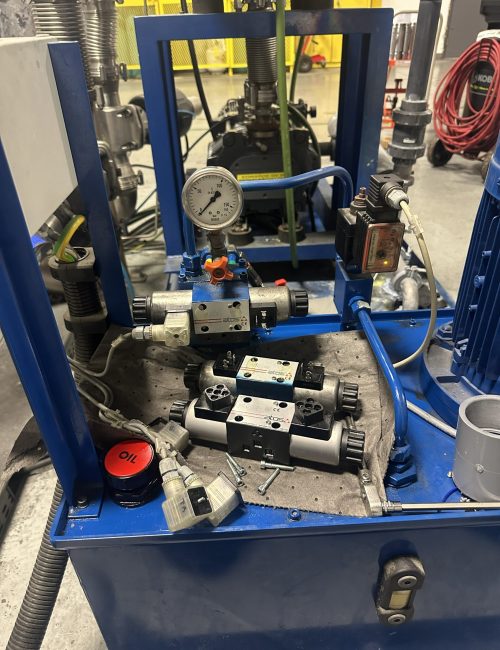
Hydraulic Valve Repair in Southwest Virginia
A bad hydraulic valve stops your machine cold. Slow response, no movement, or fluid leaking past the valve body — these problems don’t fix themselves. We repair stuck valves, failed solenoids, and blown seals across Southwest Virginia. From farms to logging sites to industrial fleets, Hose Pros will get your equipment back on the job.
EXCELLENTTrustindex verifies that the original source of the review is Google. I can’t recommend these guys enough! When no one else was willing to help our company, they came to our site the next day and fixed our issue. Super friendly and easy to work with! If we ever have an issue in the future, we will definitely remember Hose Pros!Posted onTrustindex verifies that the original source of the review is Google. Ruben was great to work with, rebuilt all our snow plow hydraulics back to as good as new. Fast service, good communication, great prices!Posted onTrustindex verifies that the original source of the review is Google. Called and set up appointment with Elijah to have lift cylinders repaired on tractor. Showed up on time to remove and rebuild them. Returned them in timely manner and installed cylinders and made sure there were no leaks. Excellent and professional service.Posted onTrustindex verifies that the original source of the review is Google. We dropped a hydraulic distribution block off yesterday afternoon for rebuild was able to pick it up this morning very kind, courteous and professional service. I would give them 10 stars of Google allowedPosted onTrustindex verifies that the original source of the review is Google. Rueben came out right away and fixed the seals on a leaky bucket cylinder on my tractor. He exceeded my expectations in how fast he was able to get me back up and running. His communication was excellent throughout the process. I highly recommend this service.Posted onTrustindex verifies that the original source of the review is Google. Great service, mobility is a huge convenience, professional and knowledgeablePosted onTrustindex verifies that the original source of the review is Google. Had positive experience with hose pros.They fix my Mack granite power steering and pump saved me a lot of money compared to taking it to dealer. They will be my go-to to fix from now on.Posted onTrustindex verifies that the original source of the review is Google. Removed, rebuilt, and installed hydraulic lift cylinder on our older model fork lift with very little down time for us. Very professional, reasonable price, and quick service!Posted onTrustindex verifies that the original source of the review is Google. Fast response, excellent service, very knowledgeable! Would highly recommend!Posted onTrustindex verifies that the original source of the review is Google. Hose Pros was excellent. The service was top tier and they offered to come out the day I called. We settled on the next morning due to it being later in the day. He was extremely professional and was able to quickly take care of my issue. I would highly recommend them for any needs you may have.Verified by TrustindexTrustindex verified badge is the Universal Symbol of Trust. Only the greatest companies can get the verified badge who has a review score above 4.5, based on customer reviews over the past 12 months. Read more
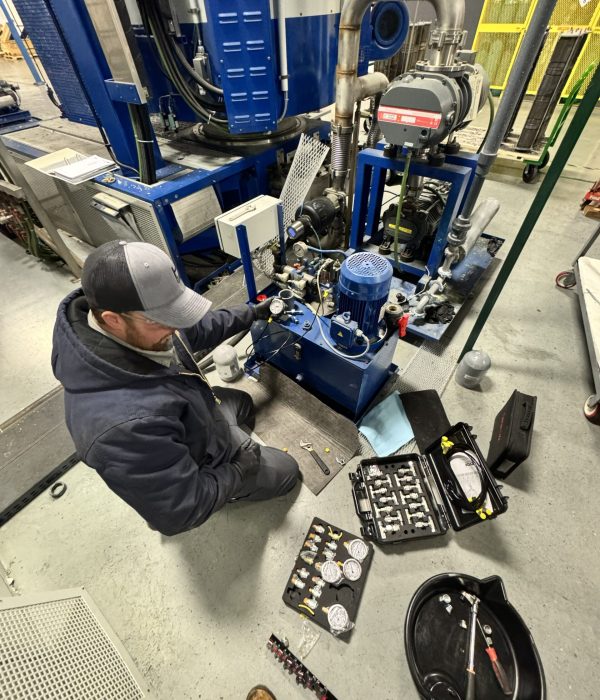
Most Hydraulic Valves Can Be Repaired — Not Replaced
When your hydraulic system slows down or stops responding, replacement isn’t always the answer. In most cases, a trained technician can rebuild or reseal the existing valve and have your machine moving again the same day.
Ordering a new valve assembly takes time you don’t have. Repair skips the wait and costs less. For logging and mining equipment running hard across Southwest Virginia’s coalfield counties, valve wear is common — and repairable.
Before we recommend anything, we diagnose the valve fully. You get a straight answer on what’s wrong and what it costs to fix it.
Three Common Hydraulic Valve Failures Technicians See Most Often
Contaminated spool valve
Dirt and debris work into the valve body and score the spool or lodge in its travel path. On dusty job sites in areas like Buchanan County, this happens faster than most operators expect. The spool can’t shift cleanly, and your system loses control or pressure.
Failed solenoid
A solenoid that won’t engage means your valve never gets the signal to open or close. The machine responds slowly, partially, or not at all. This is an electrical fault — but it shows up as a hydraulic problem. Wiring damage, incorrect voltage, and coil burnout are the most common causes.
Internal seal failure
Worn or degraded seals let fluid bypass the valve instead of moving your cylinders. You’ll notice weak lift, drift, or fluid pooling where it shouldn’t be. Seal replacement restores full pressure without pulling the whole valve assembly.
Why Southwest Virginia Equipment Owners Call Hose Pros
Experience you can count on
Our technicians have years of hands-on hydraulic repair experience. We’ve worked on the machines you run — excavators, skid steers, tractors, forklifts, and logging equipment.
Professional technicians, ready to work
Our crew arrives uniformed and equipped. We’re not here to guess — we come prepared to diagnose and repair on the spot.
We know Southwest Virginia job sites
We understand the conditions your equipment works in. Dusty roads, heavy loads, and cold winters put real stress on hydraulic systems. We factor that into every diagnosis.
Trusted by local industries
Logging crews, farmers, and contractors across Southwest Virginia rely on us. When their equipment goes down, we’re the call they make.
Customers rate us highly
Equipment operators and fleet managers across the region trust us because we show up, work fast, and give honest answers. Our 50+ five star reviews reflect that.
Full-service capability
Valves, solenoids, seals, and full hydraulic system checks — we handle it all in one visit. You don’t need three different shops to solve one problem.
The Leading Cause of Hydraulic Valve Failure — and How to Prevent It
Contaminated hydraulic fluid is responsible for more valve failures than anything else. Dirt, metal particles, and water work into the system and grind away at valve spools, seals, and solenoids over time. Studies show that up to 80% of hydraulic failures trace back to contamination.
In Southwest Virginia, this problem is worse than most places. Gravel roads near Wise and Tazewell kick up constant dust. Job sites run heavy equipment through mud, debris, and standing water. That contamination finds its way into your hydraulic system faster than the service intervals on most machines account for.
The fix is simple — but it has to be consistent:
- Change your hydraulic fluid on schedule. Don’t wait for a problem to appear.
- Replace filter elements regularly. A clogged filter stops protecting the system.
- Inspect reservoir caps and hose fittings. Loose connections are a common entry point for debris.
- Watch for early warning signs. Slow response and unusual noise are your system telling you something is wrong.
A short maintenance conversation with our team can tell you where your equipment stands. Catching contamination early costs far less than a valve rebuild or a day of downtime.